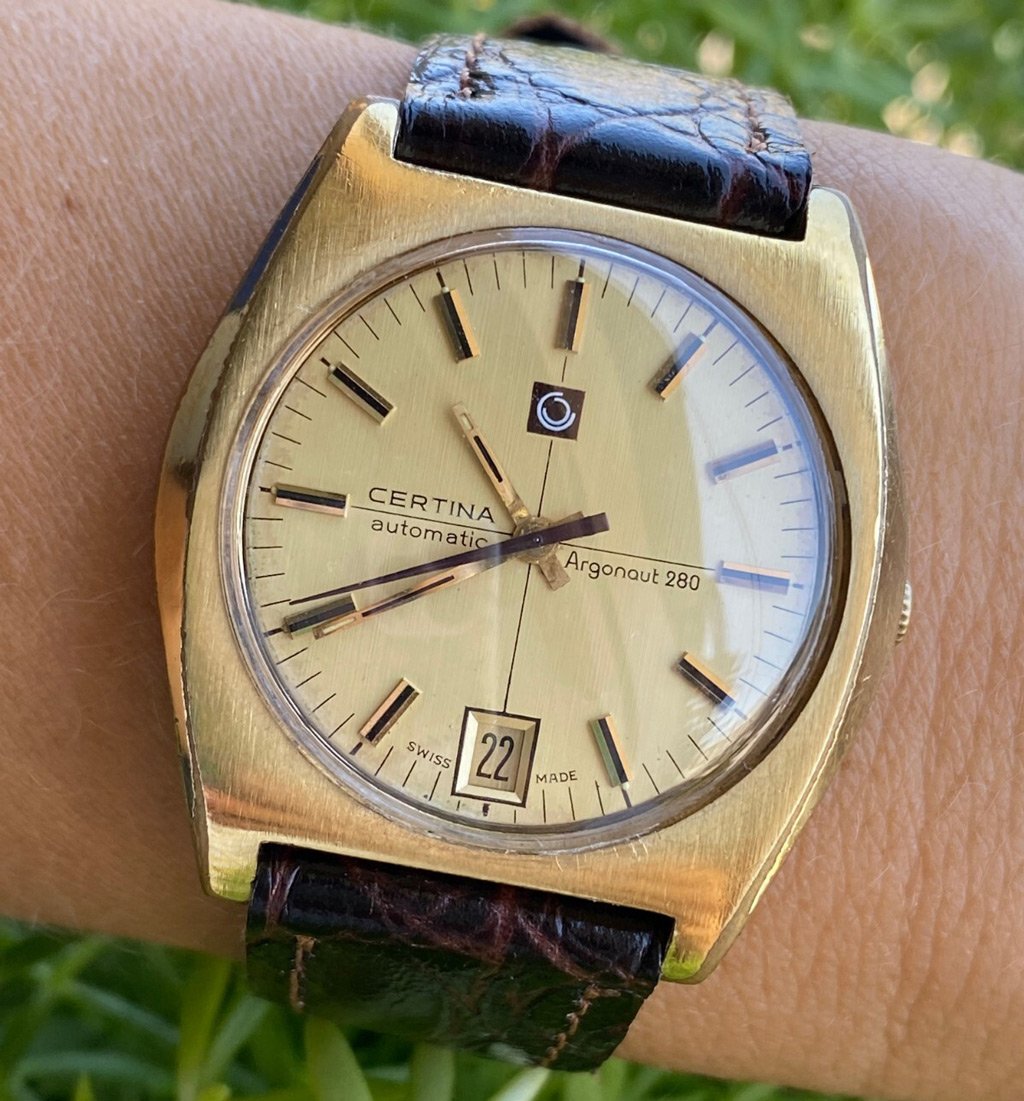
Another vintage watch from one of my favourite brands, Certina, this time an Argonaut 280.
(Click pictures to enlarge)
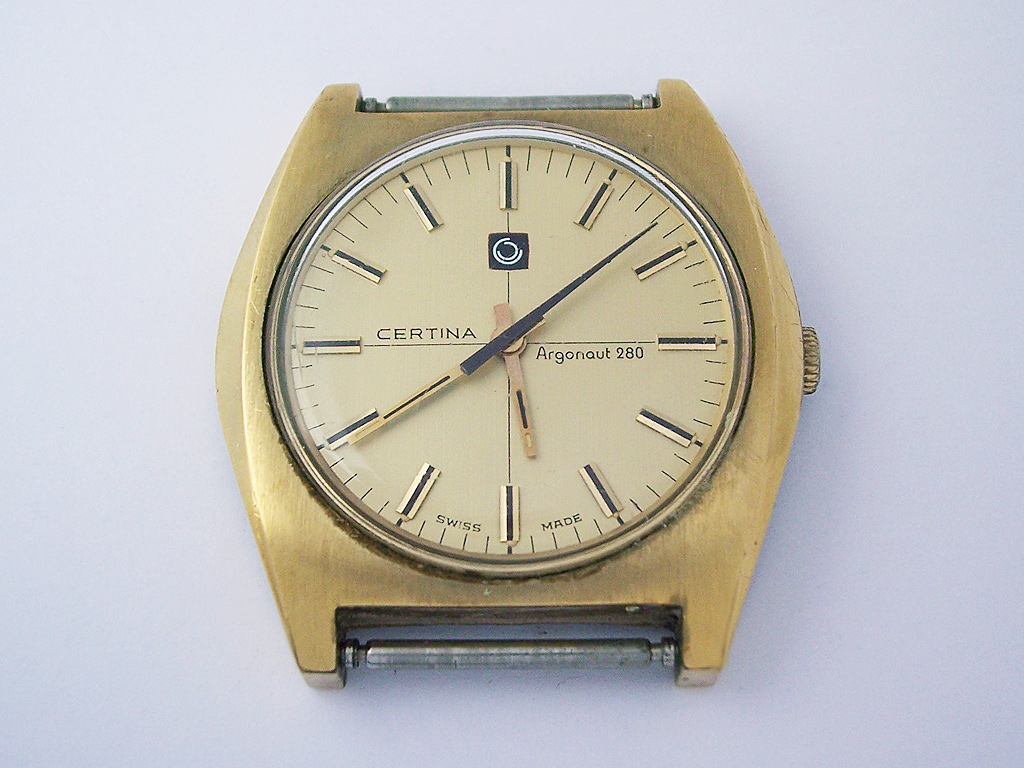
I’ll admit that I’ve developed a ‘bit of a thing’ for vintage Certinas over the years, as I consider them to be under-appreciated. If you’re new to the brand, or on the fence about vintage Certina watches in general, then I’ll try and sell them to you as this article progresses. 😉
My interest in the brand started a decade ago when I bought and restored a lovely blue dialled Certina DS-2, which I still own and enjoy (that post gives details about Certina’s history and the DS range too, if you’re interested.)
While much of the interest in Certina’s vintage output tends to drift towards the DS range, the divers and chronographs in particular, the brand had other lines such as the Argonaut, Blue Ribbon, Bristol, New Art and Waterking, all of which feature the same good quality calibres as the DS models, but attract much less attention and can still be found at sensible prices.
A few years ago I wrote about another watch from the same range, an Argonaut 220 automatic which certainly has the potential to divide opinion, depending on your tolerance for unusually shaped watches.
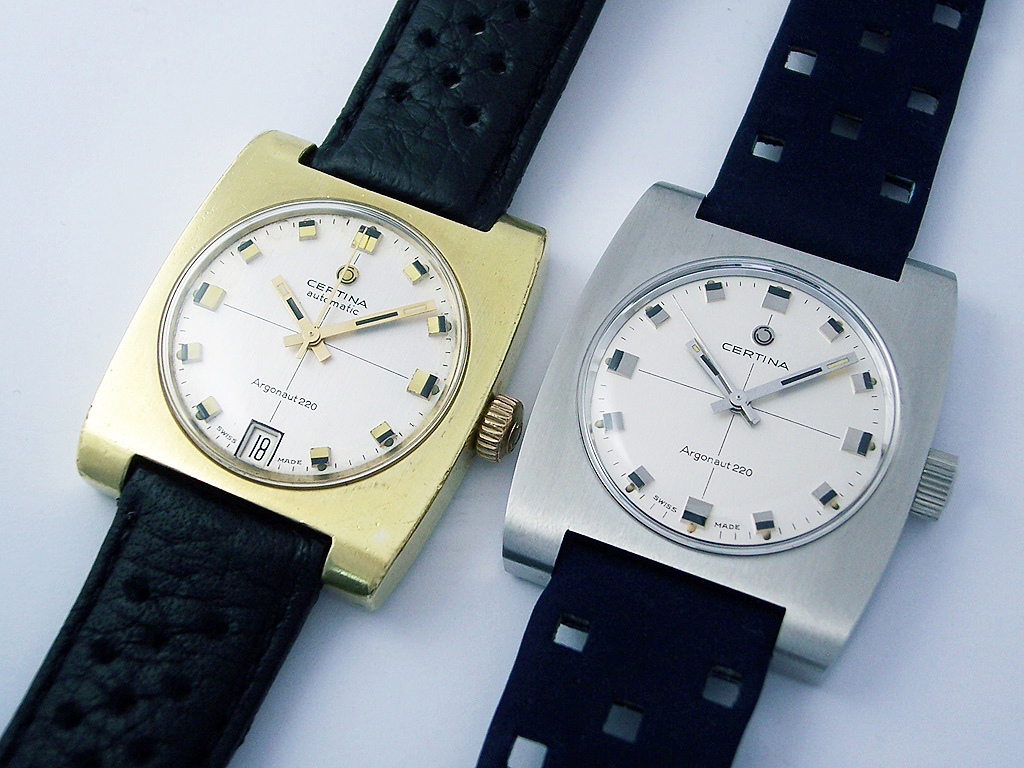
If you’re in the “No thanks, Rich” camp on that one, then perhaps the Argonaut 280 with its more traditional tonneau-shaped case is more palatable?
Joining the line-up in the early 1970’s, Argonaut 280 models were produced with both manual and automatic calibres, with or without date.
At first glance it can be difficult to tell the automatic and manual models apart as they share visually identical cases, the ‘automatic’ printing on the dial being the only visual clue. Here’s an automatic version of the watch in this post for comparison.
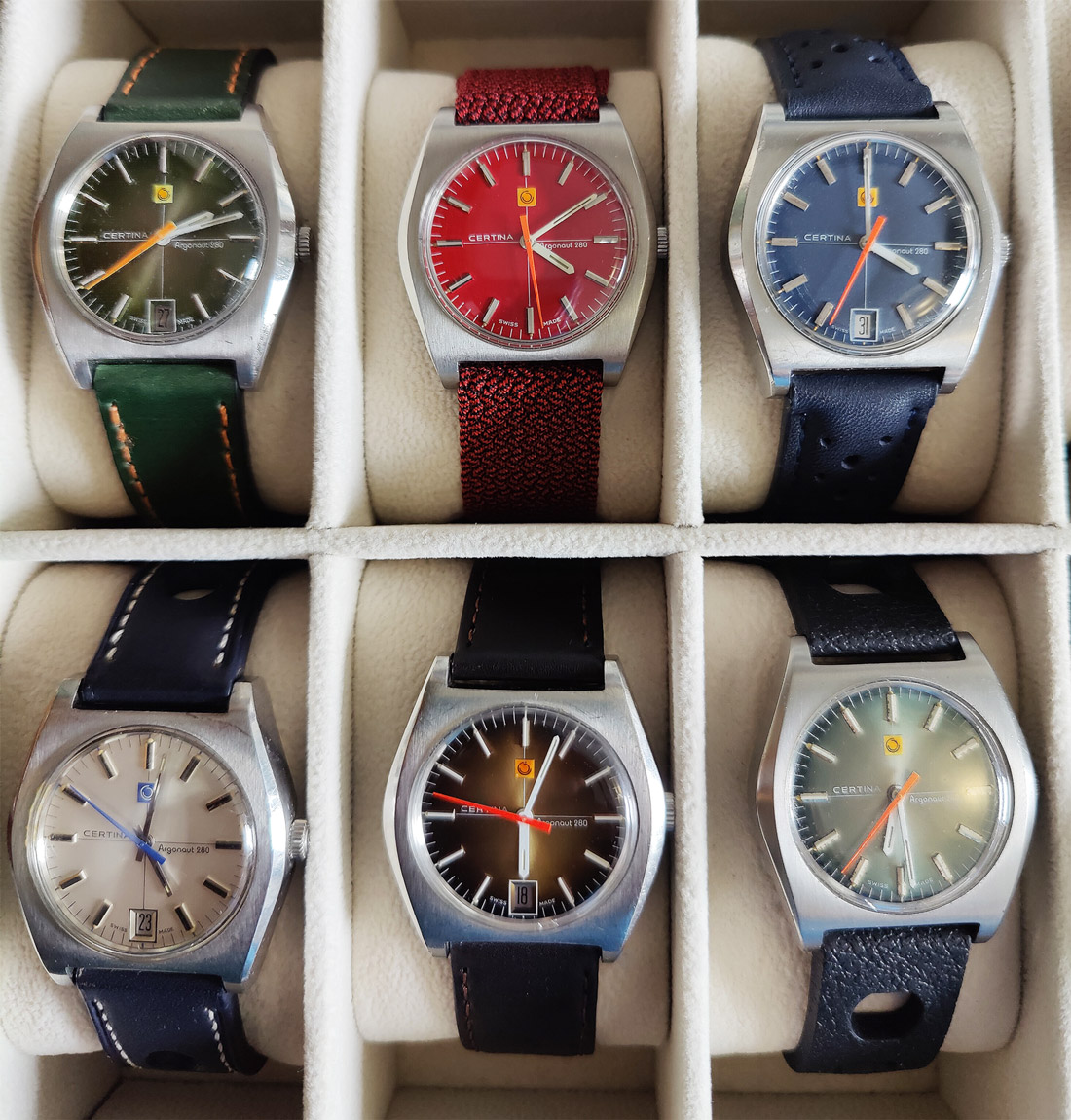
As you might imagine, being the 1970’s, Certina weren’t shy when it came to dial colours and over the years, the 280 models were produced with a vibrant range of both matt and graduated dials. Here’s an impressive collection of manually wound models that belongs to a Dutch collector.
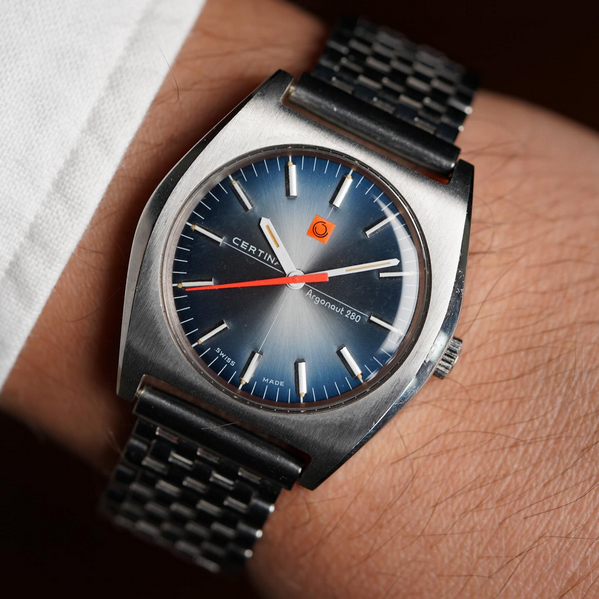
One omission from that collection and perhaps the most attractive model (in my opinion), is this graduated blue dialled version… Lovely! 🙂
The first thing I’ll draw attention to in my “vintage Certina sales pitch” is the thickness of the gold plated case which, at 20 microns, was above the industry standard for the time and a good barrier against wear through, especially on the lugs.
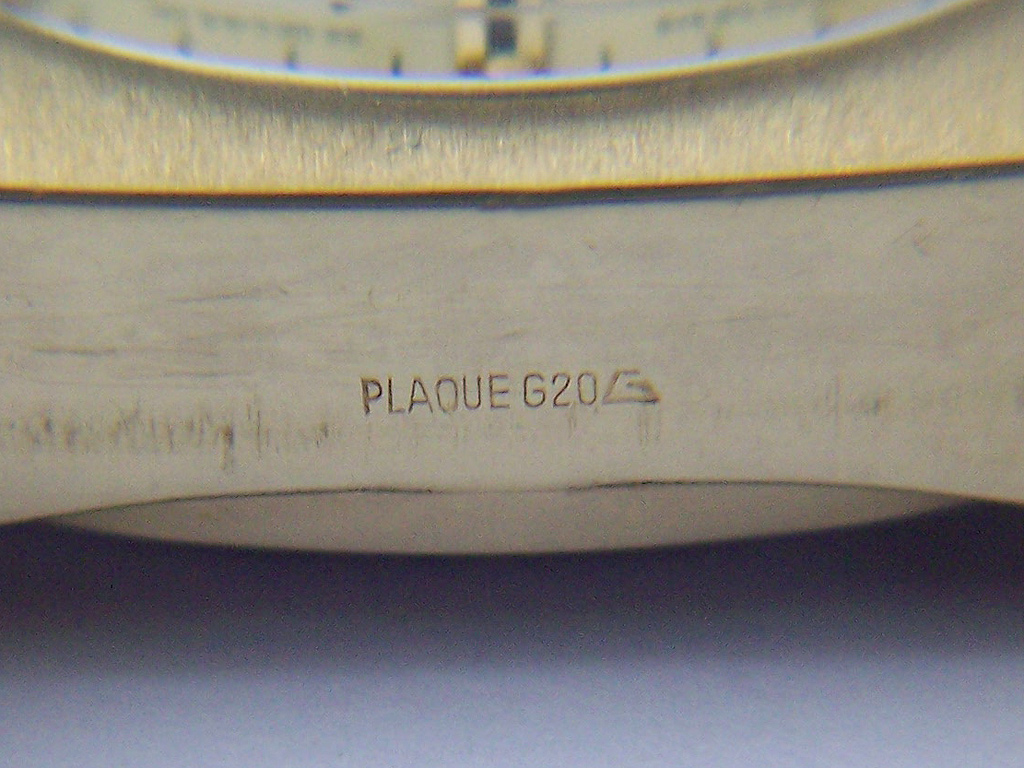
Part two of my sales pitch is that 20 microns was the minimum that Certina used for all their vintage gold plated watches and it’s possible to find some models with plating thickness of 40 microns. There were also rolled gold models (plated to 80 microns), plus gold capped and solid gold models too.
Turning the watch over the caseback is plain, but contains two nuggets of information for the Certina enthusiast. The first being the case reference number, and the second being the serial number which dates this watch to 1971.
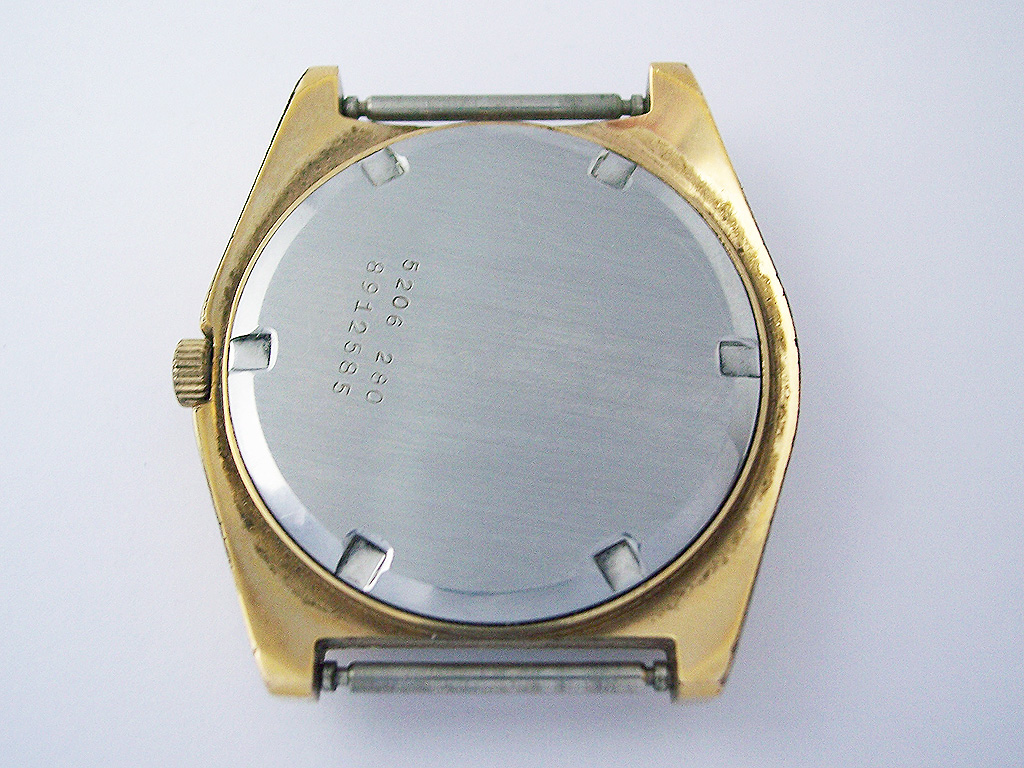
The majority of Certina’s output from this period has the case reference number stamped into the caseback, the first four digits denoting the calibre inside and case material. In this case the ’52’ tells me that it should have a cal. 25-66 inside, and ’06’ that the case is yellow gold plated to 20 microns. This information is particularly useful if a picture of the movement isn’t available when you’re considering a watch, and a handy lookup for all this information along with a serial number reference table is provided on the Vintage Certinas site here.
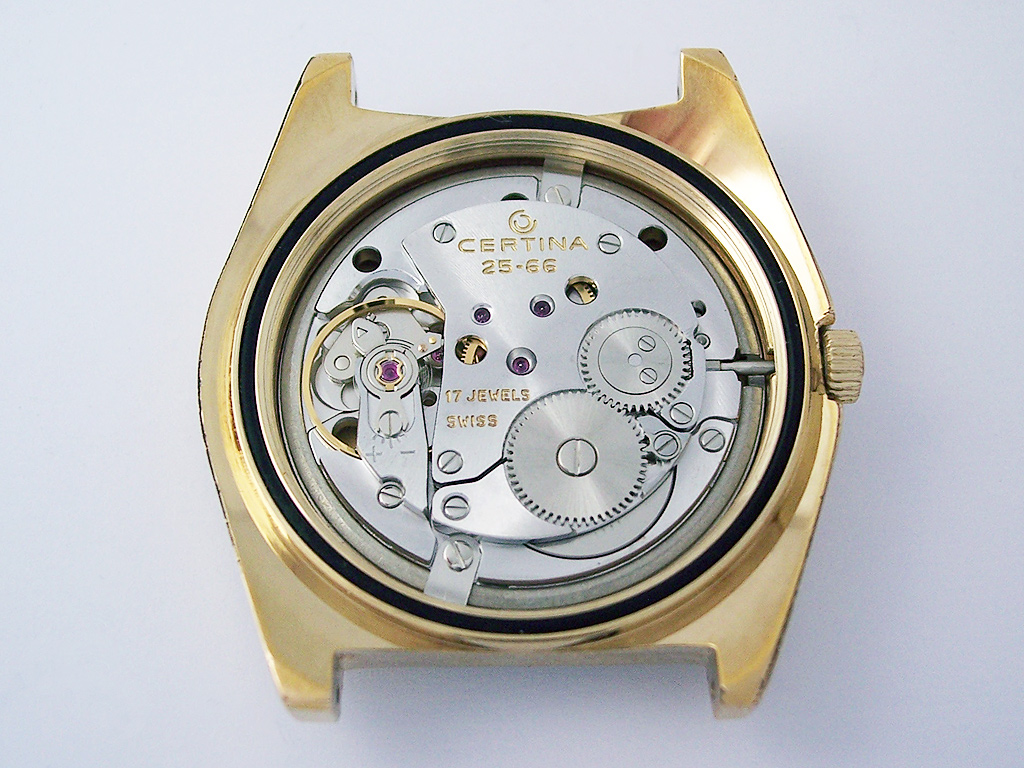
Opening the watch, everything was exactly as is should be, with a Certina cal. 25-66 hiding inside. The cal. 25-66 is essentially the same calibre as the cal. 25-65, but without the automatic winding mechanism.
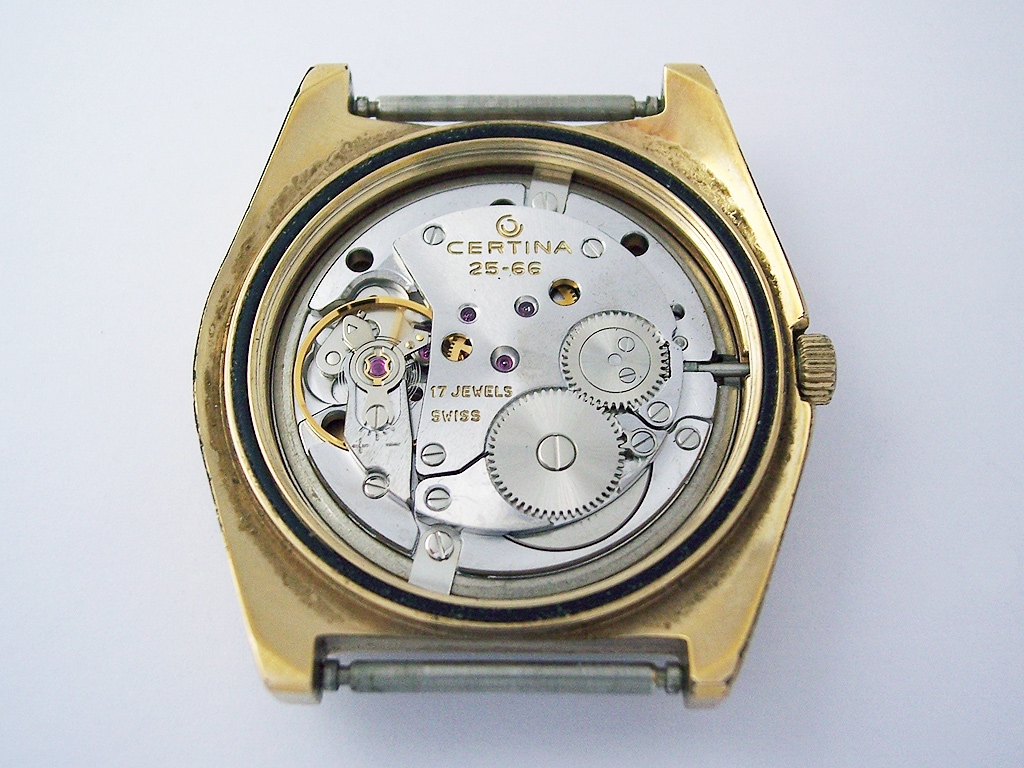
The third salvo in my sales pitch is to draw attention to the quality of the movement. The finishing is high quality, the engravings are contrast coloured, the plates are subtly decorated and the ratchet and crown wheels are radially brushed.
It’s hard to show in the pictures, but it feels like a more premium product overall than a typical ETA or A. Schild calibre from the same period. Certina calibres remind me in many ways of Longines’ in-house calibres from the same era.
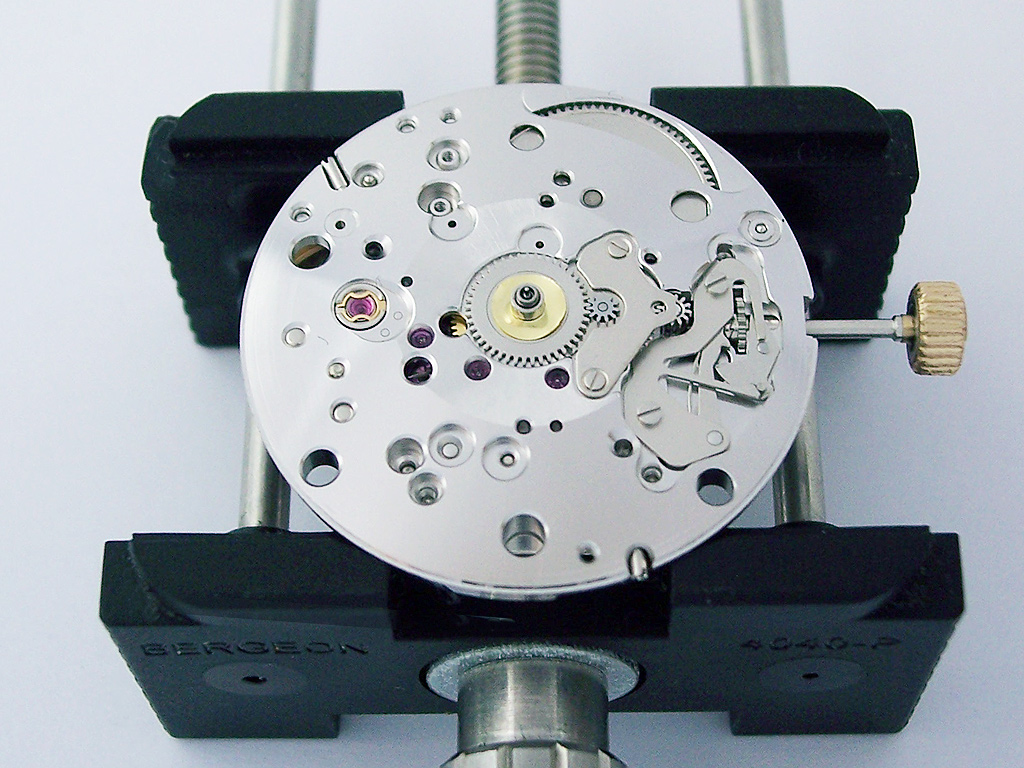
Even on the dial side of this calibre, Certina went to the trouble of repeating the decoration in the centre of the mainplate and polishing the outer section to a mirror finish – completely unnecessary as only a watchmaker is likely to see it, but it’s another sign of quality.
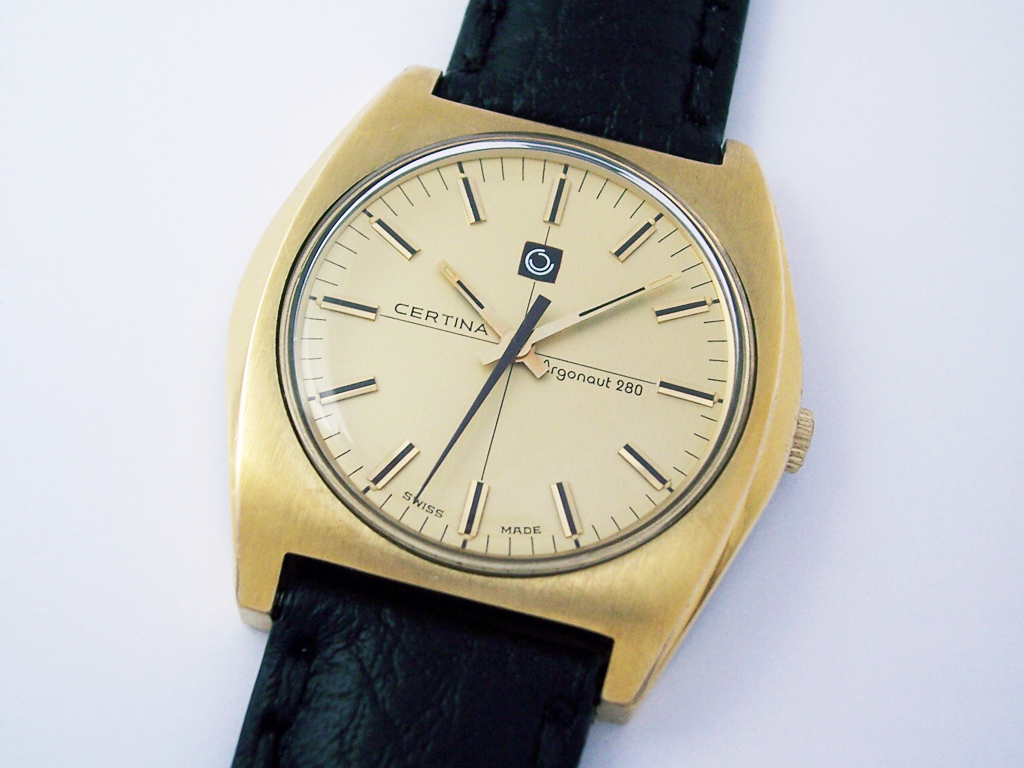
The watch cleaned up nicely with just a routine movement service, case clean, crystal polish and a new caseback gasket. In terms of size, the case is 37mm (excluding the crown), 40mm lug to lug and has a lug width of 20mm, giving plenty of strap or bracelet options.
Rich.